China
Asia · Qipao
What people wear for weddings, festivals and everyday life, and the history behind each garment.
Start with a country to see its main garments, wedding attire and festival dress.
Or start with a garment and learn where it comes from and how it is worn.
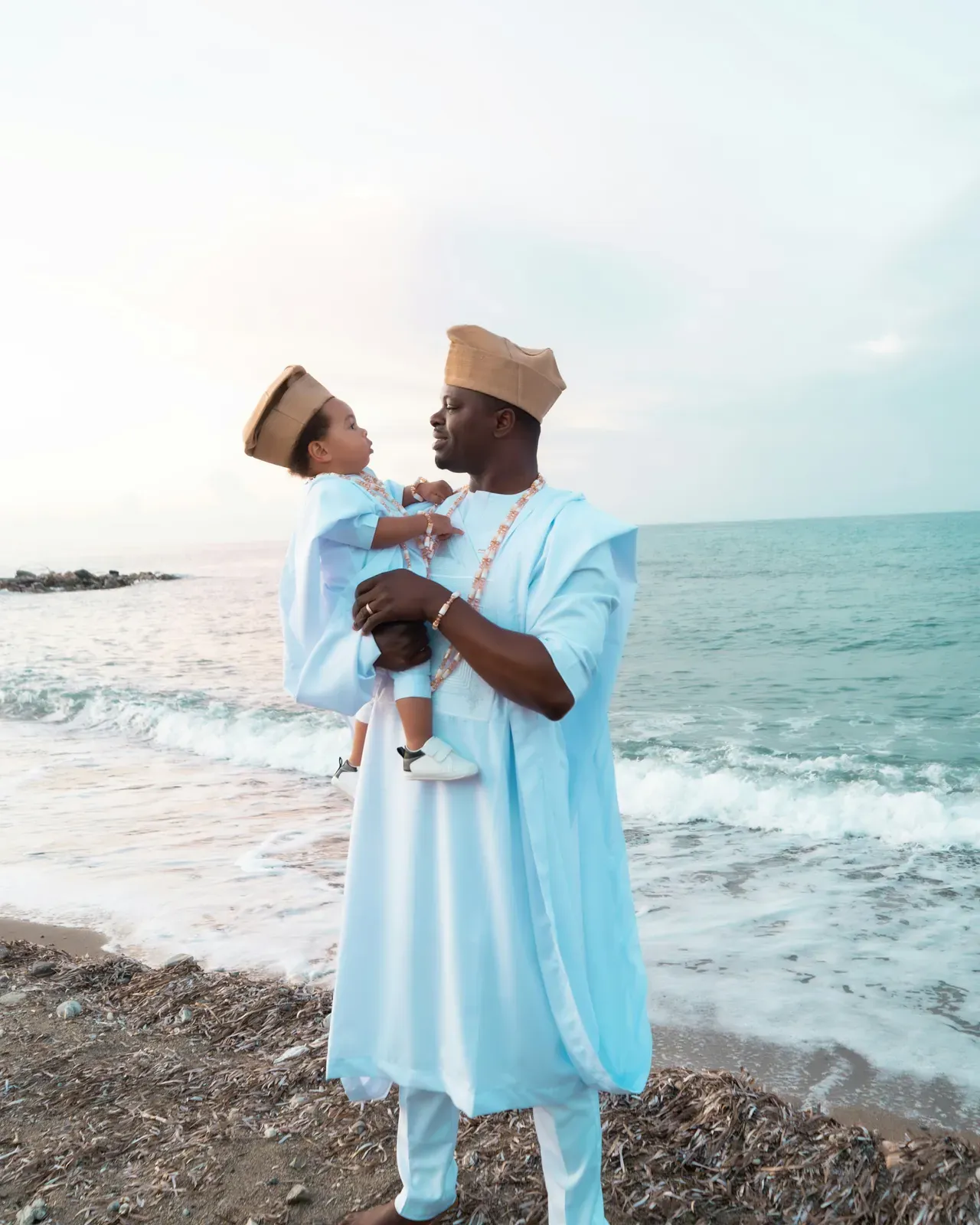
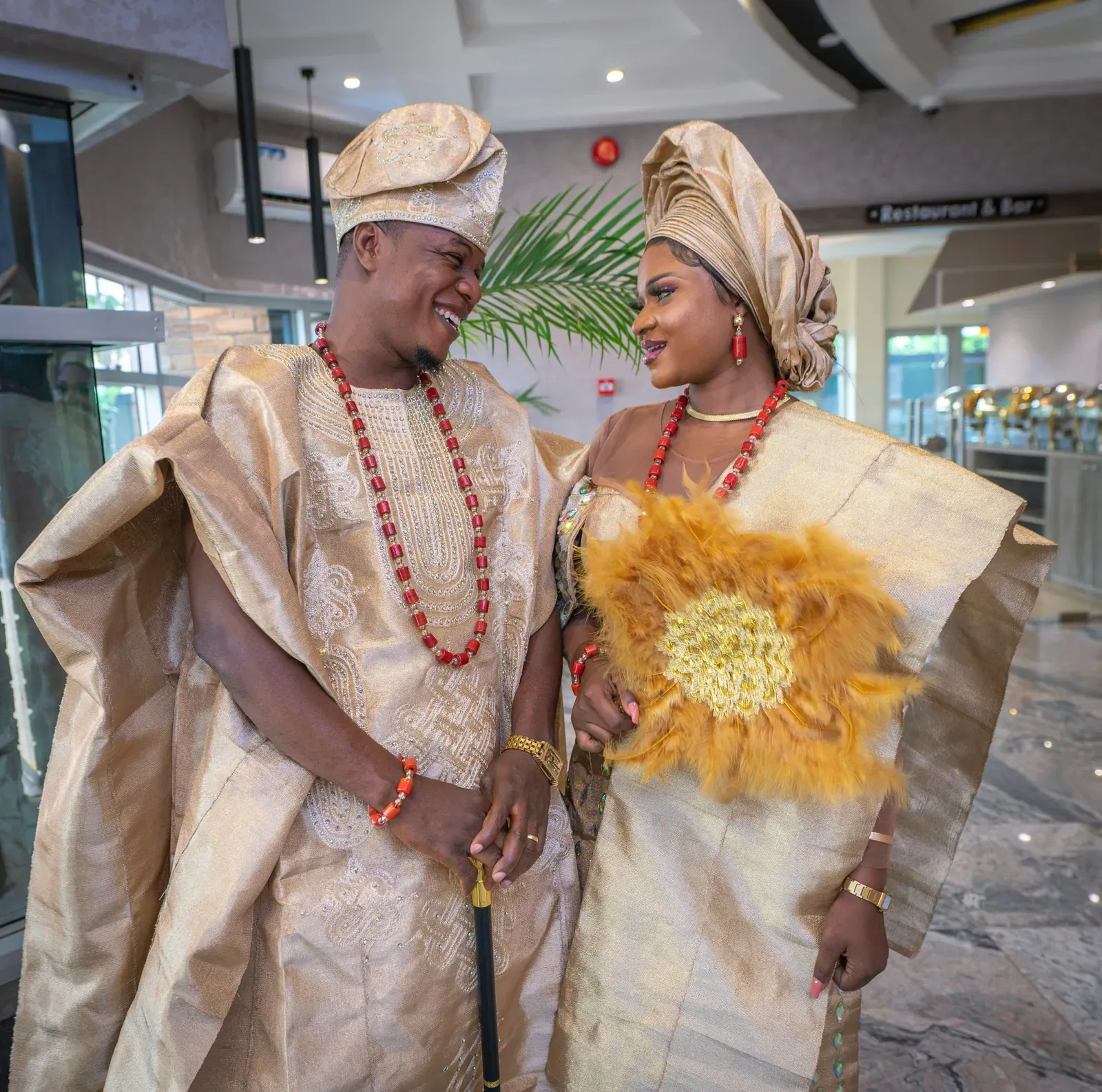
A wide, flowing Yoruba robe worn over a buba shirt and sokoto trousers, with a fila cap.

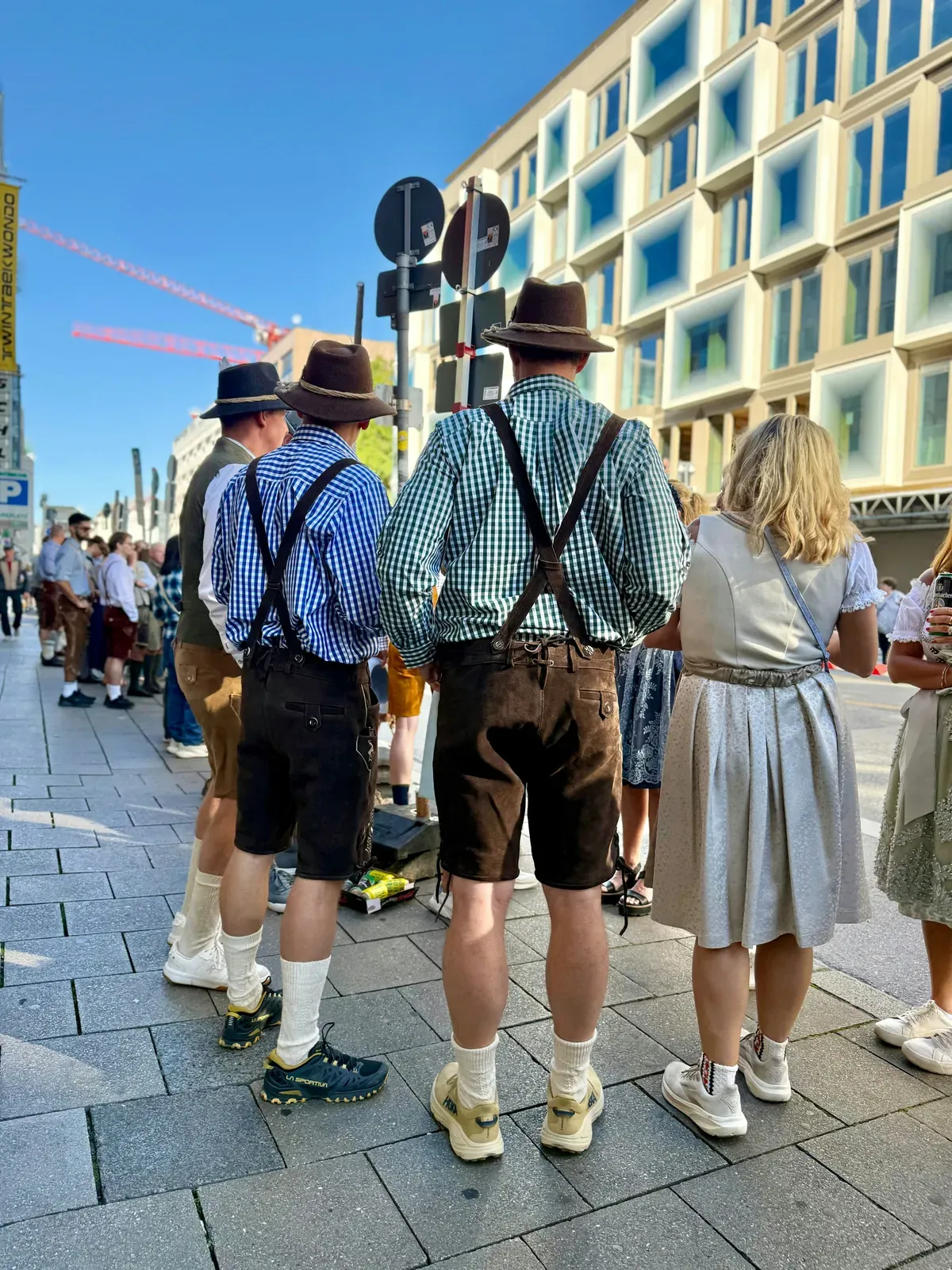
Alpine dress from Bavaria and Austria with a fitted bodice, full skirt, short blouse and apron.
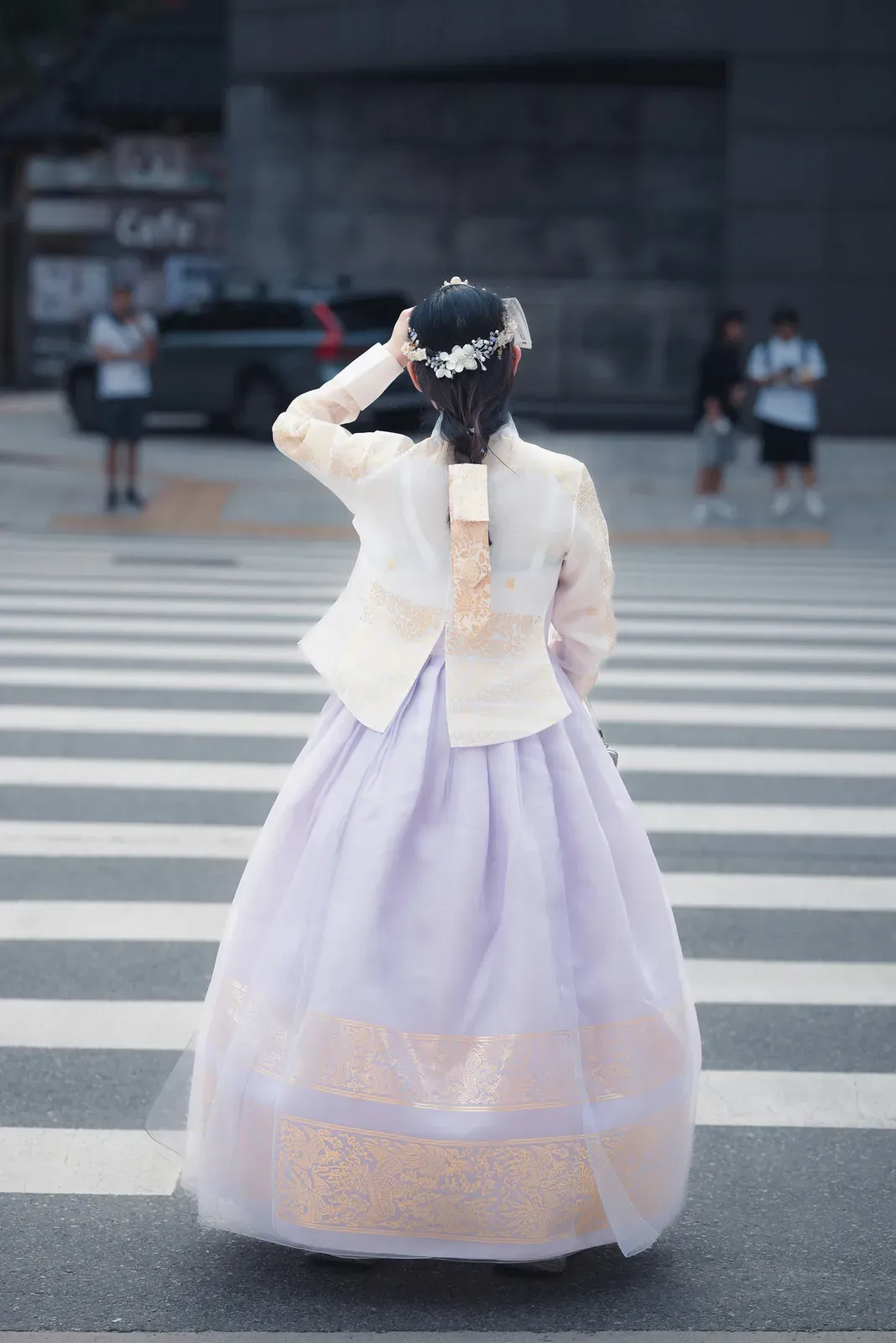
Korea's two-piece dress, a short jeogori jacket with a full chima skirt or baji trousers.
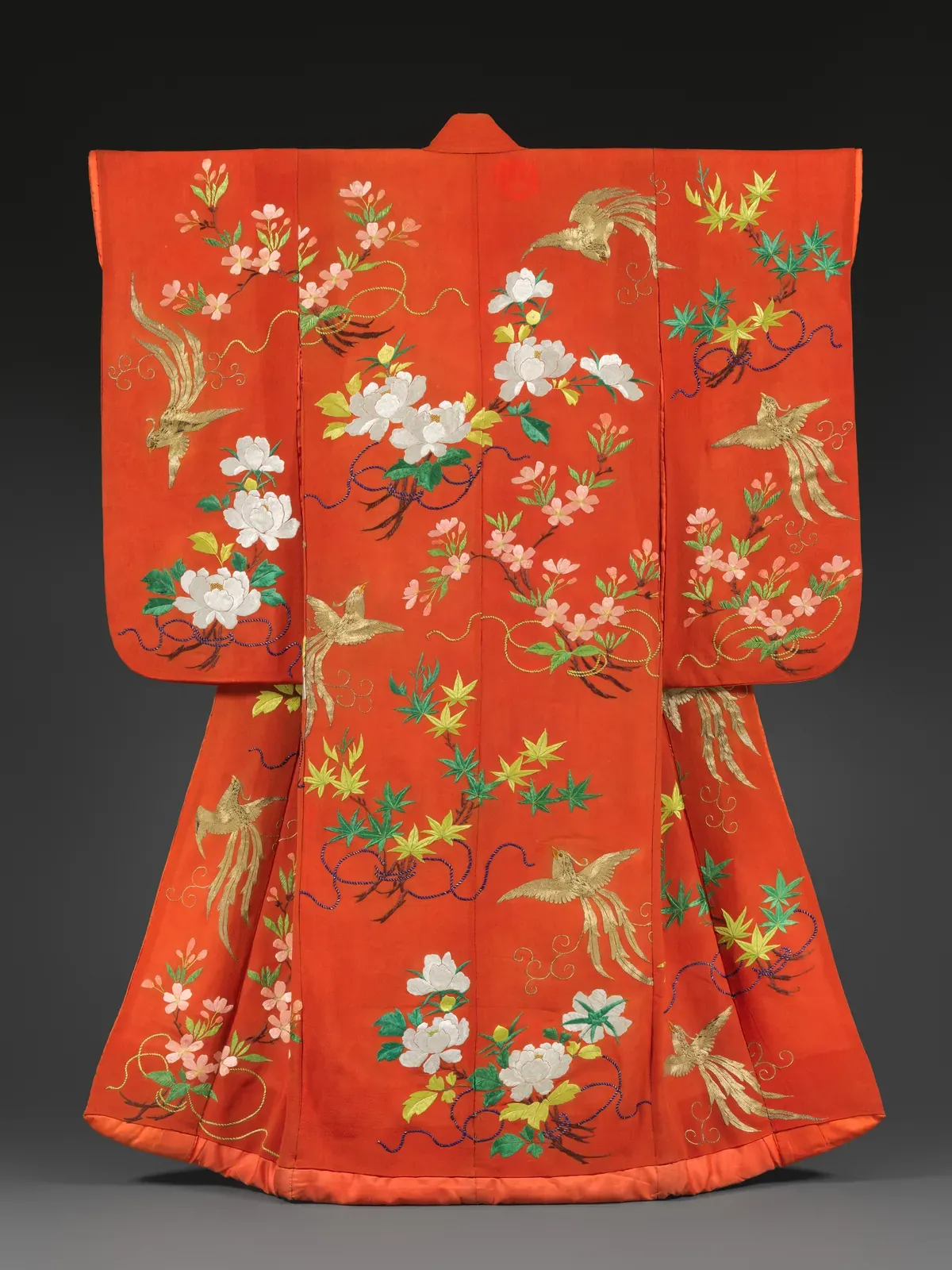
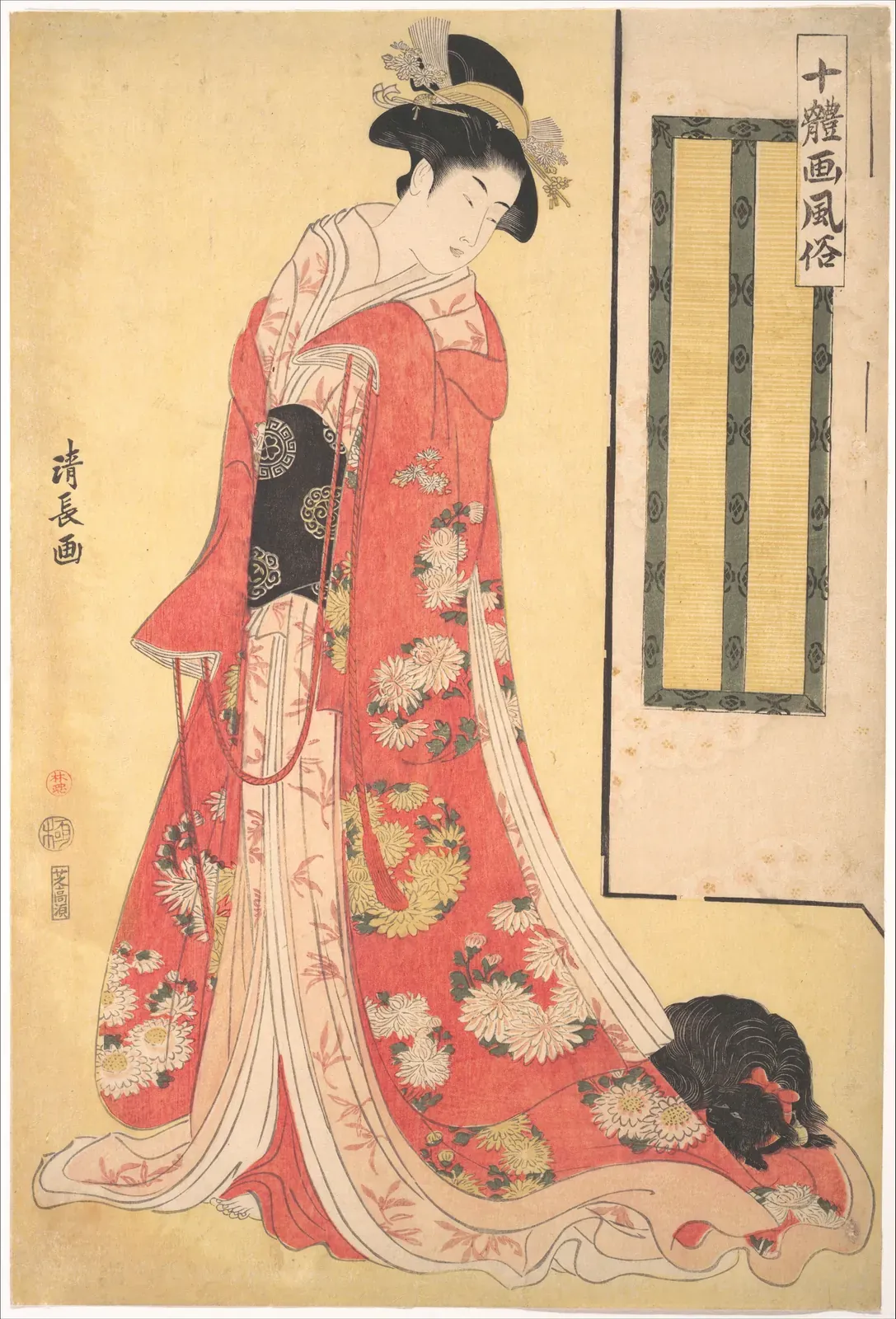
Japan's T-shaped robe, wrapped left over right and tied with an obi.
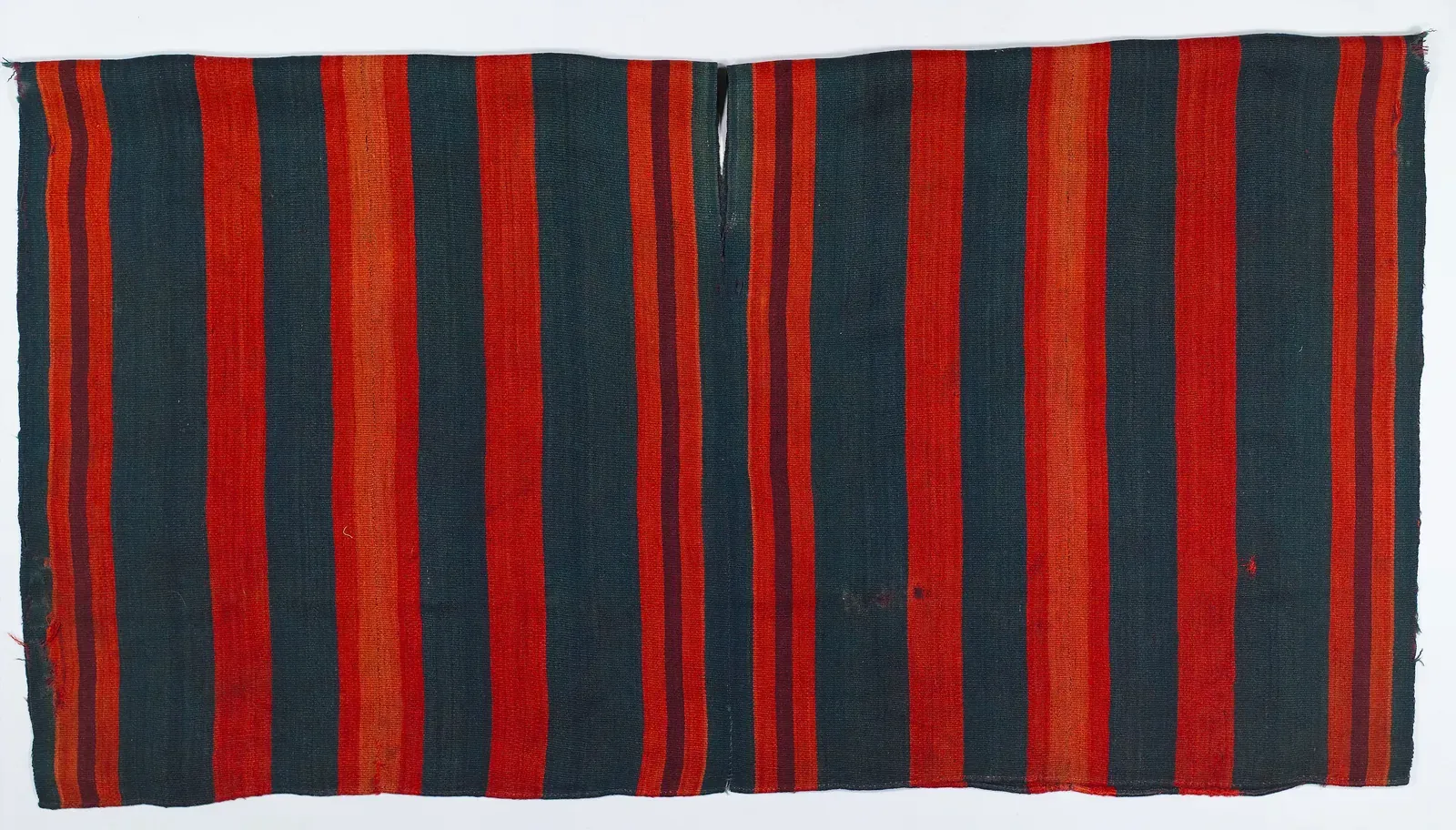
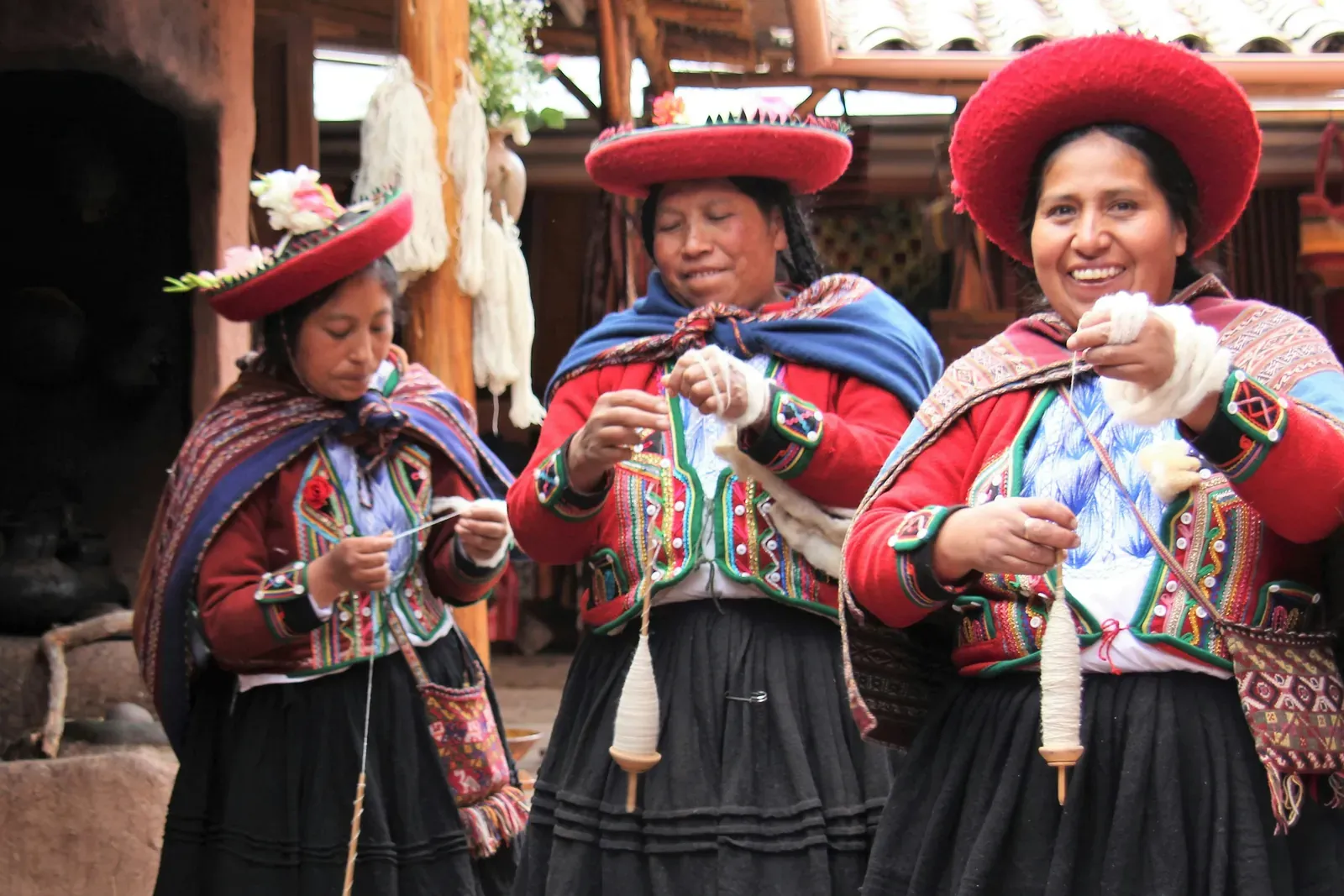
A woven cloth with a neck opening, worn across the Andes, often made of alpaca, llama or sheep's wool.
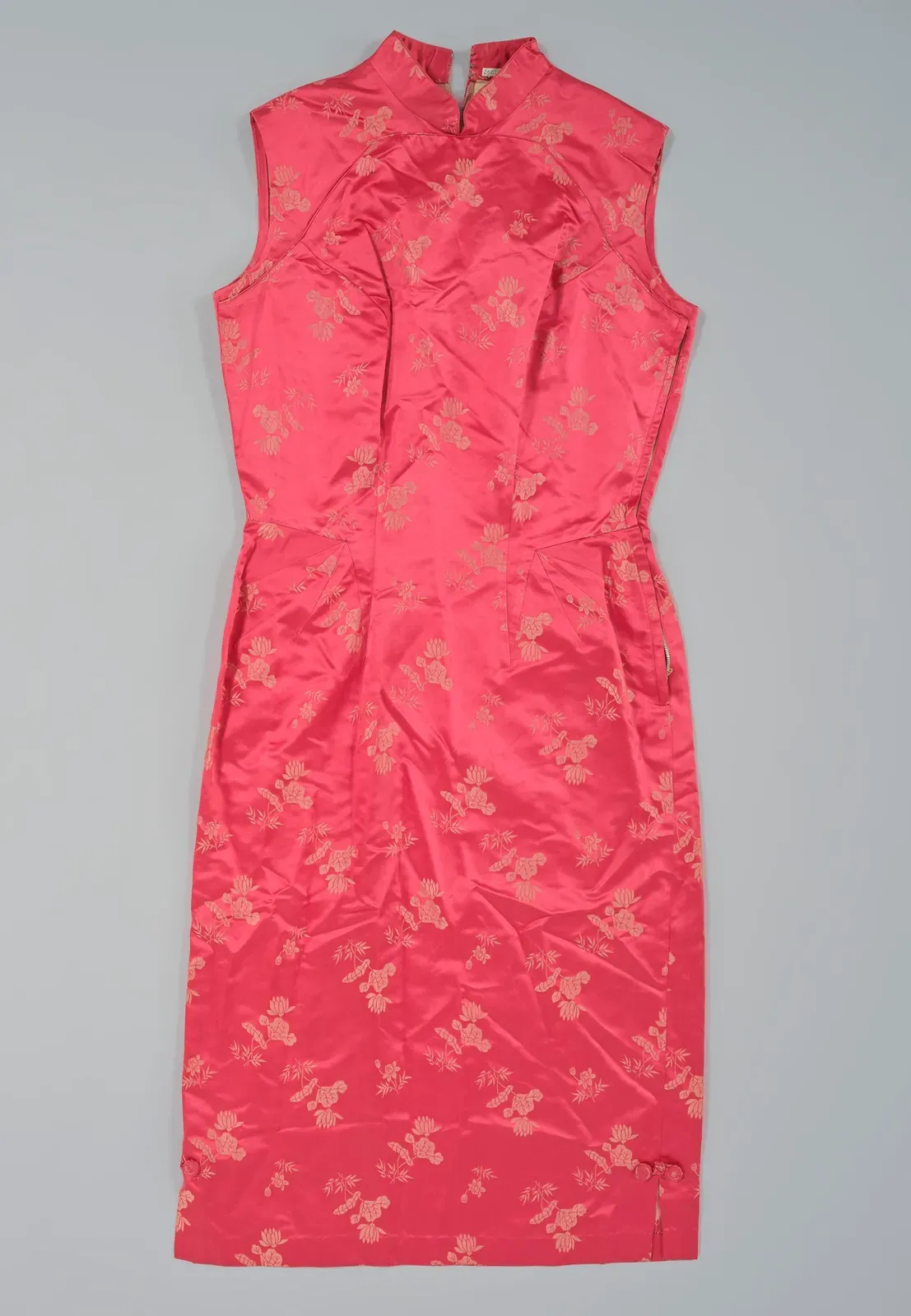
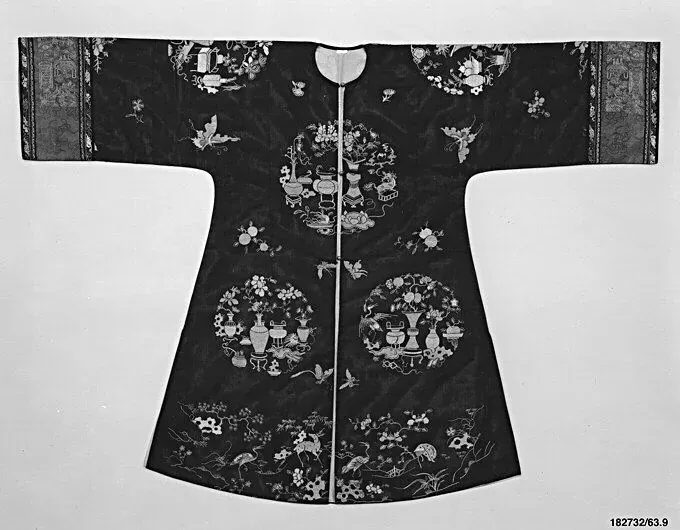
A fitted Chinese dress with a high mandarin collar and side slits, also called the cheongsam.
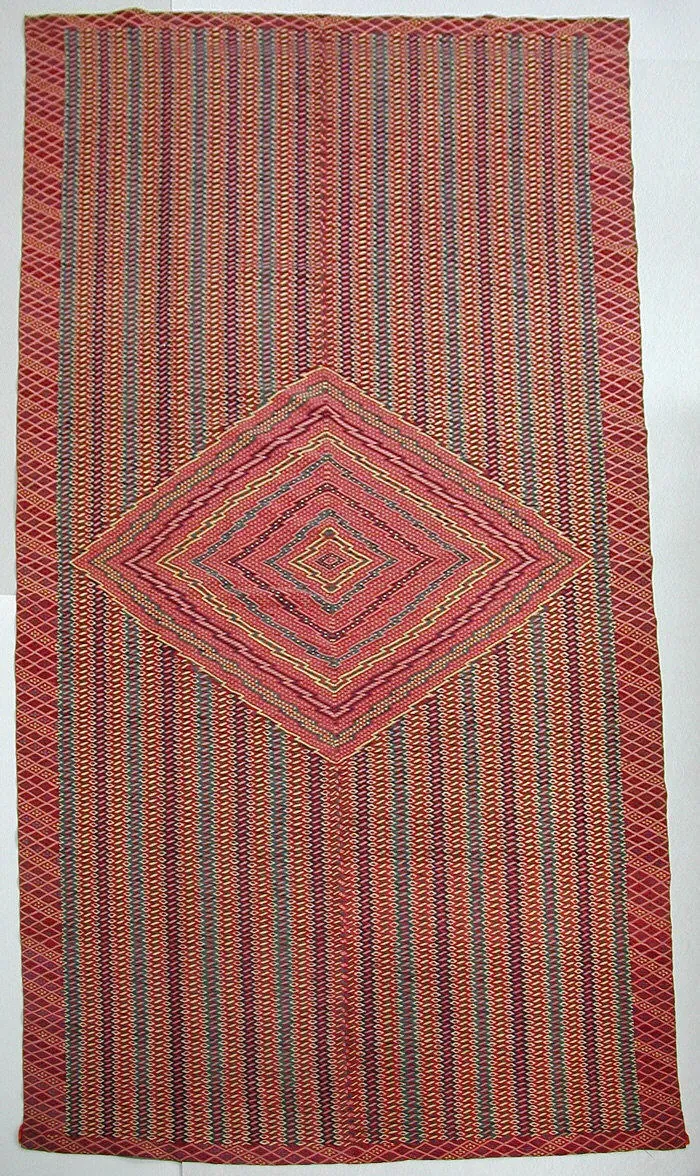
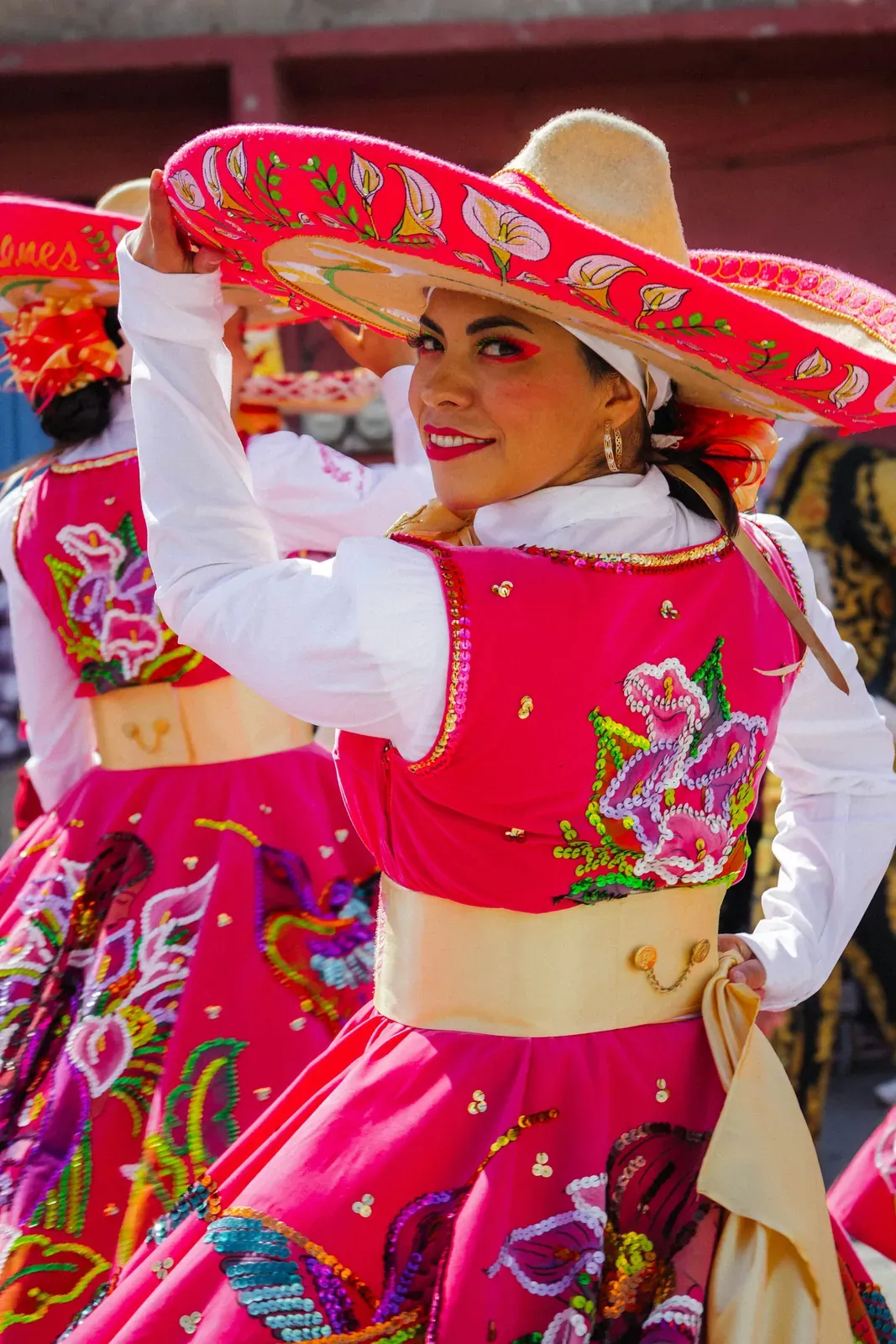
Mexico's woven wool blanket-shawl, worn over the shoulder and known for the Saltillo diamond design.
Browse the complete A–Z index of traditional garments
An interactive cultural explorer and visual encyclopedia documenting authentic traditional clothing, folk costumes, and heritage garments across continents.
Traditional Clothing Hub is an open-access cultural reference tool and interactive directory dedicated to documenting authentic traditional clothing across continents and cultures. From celebratory ceremonies to everyday living heritage, our digital archive provides verified historical research, garment construction breakdowns, and museum-sourced visual records. Whether you are an educator, textile researcher, designer, or cultural enthusiast, this tool offers an intuitive platform to discover how human identity is woven into fabric across the globe.
Our directory organizes traditional clothing per country, mapping unique sartorial heritage across Africa, Asia, Europe, North America, and South America. Each nation's traditional dress tells a story shaped by geography, local materials, climate, and historical trade routes. In Asia, explore iconic garments like Japan's silk kimono in Japan, China's form-fitting qipao in China, and South Korea's vibrant hanbok in South Korea. In South Asia, discover the unstitched artistry of India's sari in India, with regional handloom traditions spanning centuries. In Europe, delve into the Alpine heritage of Germany's dirndl and lederhosen in Germany, celebrated during seasonal harvest festivals. In Africa, examine the monumental prestige of Nigeria's agbada in Nigeria, hand-woven from rich aso-oke and damask. In the Americas, explore the enduring indigenous weaving of Peru's striped wool ponchos in Peru and Mexico's mastercrafted sarapes in Mexico. By categorizing traditional clothing by country, our explorer enables cross-cultural comparisons and deep regional understanding.
Across world cultures, traditional clothing men wear reflects societal structure, lineage, ceremonial status, and functional craftsmanship. In West Africa, the Nigerian agbada is a three-piece royal robe featuring a wide, flowing silhouette that commands presence at weddings and state gatherings. In East Asia, Korean male hanbok pairs voluminous baji trousers with a structured jeogori jacket, while Japanese men wear tailored, muted kimono or breezy indigo yukata fastened with a firm kaku obi. In the European Alps, men's folk costumes feature rugged leather lederhosen crafted with horn buttons, suspenders, and intricate oak-leaf embroidery built for mountainous terrain. In Mexico, the wool sarape serves as a versatile mantle and horseman's cloak. Our guide details tailoring techniques, shoulder draping, and fabric weights for men's traditional garments worldwide.
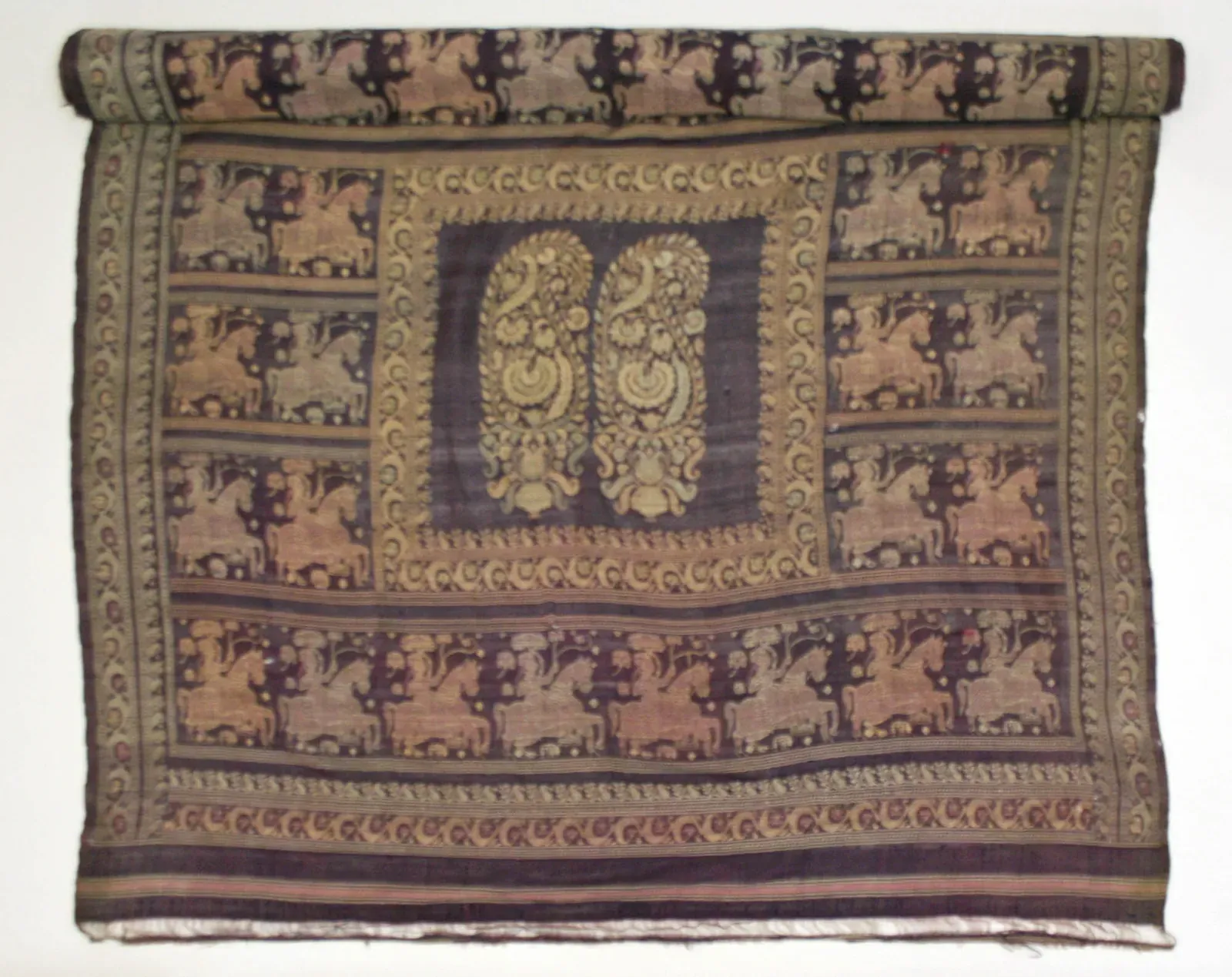
Equally rich is the realm of traditional clothing women wear, characterized by masterful textile artistry, color symbolism, and dynamic drapes. In India, the sari—a five to nine-meter unstitched drape of pure silk or fine cotton—is worn with a fitted blouse and tailored petticoat, carrying sacred motifs of peacocks and paisleys. In Japan, women's kimono range from the long-sleeved furisode worn by unmarried women at Coming-of-Age ceremonies to the understated tomesode adorned with family crests (kamon). In China, the high-collared qipao (cheongsam) revolutionized feminine silhouette in 1920s Shanghai with jade frog fasteners and silk brocade. In the Bavarian countryside, women's traditional dirndl combines a fitted bodice, full skirt, and crisp apron—where the placement of the apron bow traditionally signals marital status. In the Peruvian Andes, women wear layered, richly embroidered polleras and wool shawls (lliclla) dyed with natural cochineal pigments.
Cultural attire and folk costumes are never static artifacts frozen in history; they remain vital expressions of living culture. Across continents, traditional clothing reaches its zenith during milestone celebrations. Traditional wedding attire reflects profound spiritual and familial symbolism: from Nigerian couples wearing matching royal blue aso-ebi lace to Indian brides adorned in crimson Banarasi silk and gold zari, wedding attire symbolizes ancestral blessing and family union. In seasonal folk celebrations, Alpine Oktoberfest, Kyoto's Gion Matsuri, Mexican Dia de los Muertos, and Korean Chuseok see communities proudly donning their heritage garments. Furthermore, contemporary textile designers increasingly draw inspiration from ancient zero-waste pattern-making found in kimono and sari traditions, making traditional garments a cornerstone of modern sustainable fashion.
Traditional Clothing Hub makes exploring world dress effortless. Use our dynamic search to look up any country or garment name in seconds. Filter by continent to trace regional textile traditions, or browse the alphabetical A–Z garments index to compare silhouettes, necklines, and drapery styles. Every country guide is cross-referenced with related garments, historical context, and high-resolution photography sourced from open-access museum archives like The Metropolitan Museum of Art and the Smithsonian Institution. Start exploring today to discover the timeless beauty of global traditional clothing!
Answers to essential questions about world cultural attire, national dress, and living textile traditions.
Traditional clothing refers to garments, ensembles, textiles, and accessories that have evolved within a specific culture, community, ethnic group, or geographic region over generations. Unlike fast-moving modern fashion cycles, traditional clothing is deeply rooted in local heritage, social customs, religious practices, marital status, and adaptations to regional climate. Hallmarks include distinctive silhouettes, handloom weaving, elaborate embroidery, and the use of natural fibers like silk, wool, linen, and cotton.
Nearly every country and culture in the world has traditional dress or regional folk costumes. Iconic examples featured in our directory include Japan (Kimono), South Korea (Hanbok), India (Sari), Germany (Dirndl and Lederhosen), Nigeria (Agbada), Peru (Poncho), Mexico (Sarape), and China (Qipao). Many nations also feature dozens of regional variations reflecting distinct ethnic provinces and historical eras.
While traditional clothing encompasses the wide variety of everyday, seasonal, and ceremonial garments developed organically by distinct ethnic or regional communities over centuries, a national costume is often an officially recognized or widely popularized ensemble selected to symbolize the collective identity of an entire nation on the global stage, such as in diplomatic gatherings, cultural pageants, or international ceremonies.
People continue wearing traditional clothing to honor ancestral roots, mark significant life milestones (such as weddings, religious festivals, and coming-of-age ceremonies), and express cultural pride in an interconnected world. In addition, traditional garments preserve master artisanal craftsmanship, sustain local handloom economies, and inspire contemporary sustainable fashion with zero-waste pattern drafting.
Geography and local natural materials fundamentally shape traditional garment construction. Cold, mountainous regions developed insulating garments made of sheep or alpaca wool and durable leather—such as Andean ponchos and Alpine lederhosen. Tropical and humid climates favored breathable, unstitched drapes and lightweight silks or cottons—such as Indian saris, Nigerian agbadas, and Japanese summer yukatas.
Traditional wedding attire encompasses ceremonial garments, veils, headwraps, and jewelry worn during marriage rites according to cultural customs. It often showcases the highest degree of textile artistry and symbolic color—such as scarlet Banarasi silk and gold zari for Indian brides, royal blue aso-ebi and matching gele headties in Nigeria, white and pastel ceremonial hanbok in South Korea, and elegant shiromuku silk robes in Japan.
Every page is written from published sources, and every image is credited with its author and licence. Images come from museum open-access collections and free photo libraries, and we host them ourselves.